
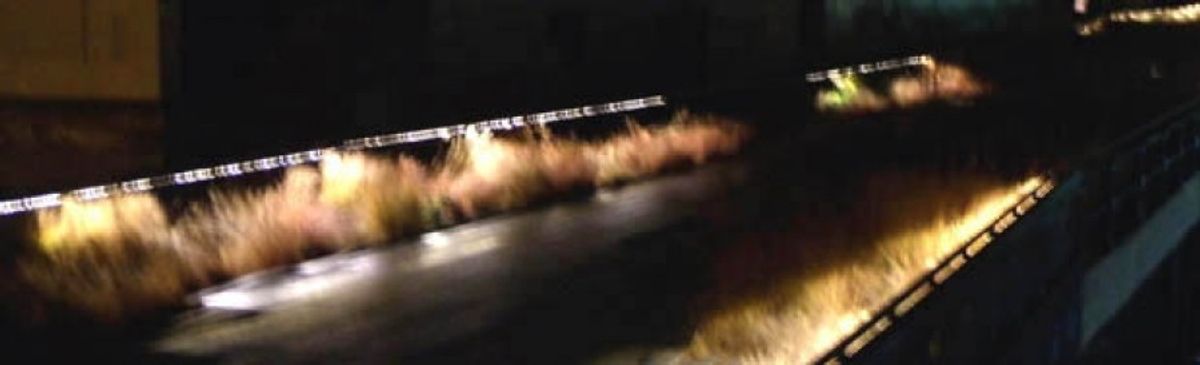
"When the first segment of the High Line opened in 2009, the now famous park built atop a former elevated railroad on Manhattan's West Side, I experienced a moment of great excitement. I had often wondered what it would feel like to climb up to that graffiti-covered trestle with its wild urban meadow. Of course, I had seen images of the project and knew I wouldn't encounter a truly wild nature. Still, the idea was enticing: a public park above the hustle and bustle, a space where contemplative nature would soften the city's harshness.
Today it's hard to remember that initial feeling. The High Line has become a walkway overwhelmed by tourism and a catalyst for some of the fastest gentrification in the city's history. (...) But the park was a success. Silhouettes of models showing off up and down. Shoppers from the boutique district occupied the limited number of benches, surrounded by numerous bags of luxury clothing. I felt underdressed.
However, that rarefied state didn't last long. As the High Line's fame grew, tourists became more demanding. Originally designed for freight trains, the High Line now carries people, except when those people get stuck like spawning salmon crammed in a bottleneck. The park is narrow and there are few escape routes. I've nearly had a panic attack, trapped in a pool of tourists, stuck at one of the park's most congested points. Not yet four years old and the High Line has become another stop on the must-see list for outsiders, a new chapter in the story of New York's transformation into Disney World. According to the park's website, of the 3.7 million people who visited the High Line in 2011, only half were New Yorkers. (...)
But the problem isn't just the crowds. It's that the park, which ultimately runs through more than 20 blocks, is destroying neighborhoods as it grows. And it's doing so deliberately. While the park began as a grassroots effort - albeit a wealthy one - it quickly became a tool of the Bloomberg administration for creating a new high-end corporate stretch along the West Side. As high society and celebrities championed the park's design during its early planning stages and with community support turned into an intoxicating froth, the West Chelsea area was rezoned for luxury development in 2005.
The neighborhood has been completely redesigned. Old buildings fell and mountain ranges of glass towers with names like High Line 519 and HL 23 began to rise - along with prices. Last year, the New York City Economic Development Corporation published a study stating that before the High Line was remodeled, "in the surrounding area, residential properties were valued 8 percent below Manhattan's overall average. Between 2003 and 2011, property values near the park's route increased 103 percent. (...)
In a few years, the ecosystem affected by the High Line has found a new balance. The aquarium-like towers will be for the elite, along with some exclusive venues like the Standard Hotel. But new establishments will rarely be found at street level, where chain stores and tourist restaurants will cater to the crowd of passersby and pedestrians. New Yorkers have been completely left behind, the people who used to call this neighborhood home. The fact is that the High Line never truly belonged to them."
Extract and translation of the original text by Jeremiah Moss: "Disney World on the Hudson" published in The New York Times